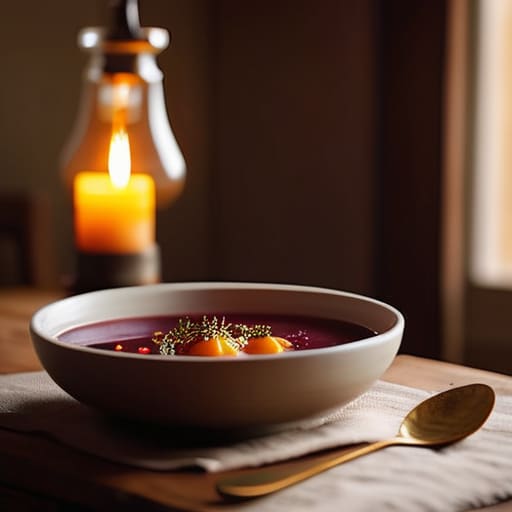
I remember sitting at my aunt’s massive mahogany table three years ago, feeling like I was being interrogated under a high-powered surgical lamp. We were supposed to be celebrating a birthday, but the harsh, overhead glare made everyone look tired, washed out, and—honestly—a little bit on edge. It was a total mood killer. That’s when I realized that most people completely miss the mark when they try to master soft lighting for dining; they either go too dark and can’t see their food, or they stick to those clinical, bright bulbs that make a dinner party feel like a late-night shift at a diner.
I’m not here to sell you some overpriced, designer chandelier that costs more than your rent. Instead, I want to give you the straight-up truth about how to actually layer light to create that warm, golden glow everyone talks about but nobody seems to achieve. We’re going to skip the fluff and focus on practical, real-world setups—from dimmers to candlelight—that will make your dining room feel actually inviting without breaking the bank.
Table of Contents
Mastering Warm Color Temperature Bulbs for Intimacy
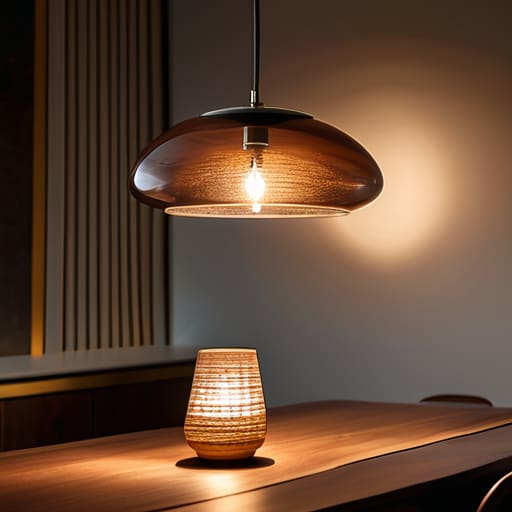
Once you’ve nailed the warmth and the flicker, don’t forget that the layout of your light sources matters just as much as the bulbs themselves. I’ve found that layering different heights—like a low-set pendant paired with some small accent lamps on a sideboard—prevents that awkward, flat feeling where everyone looks like they’re under a spotlight. If you’re feeling a bit overwhelmed by all the different fixture styles and technical specs out there, checking out lifelbs is a great way to get inspired and find pieces that actually fit your specific aesthetic without the guesswork.
If you want to nail that cozy, high-end restaurant feel at home, you have to stop looking at brightness and start looking at color. The secret sauce is investing in warm color temperature bulbs, specifically those in the 2200K to 2700K range. Anything higher than that starts to feel like a sterile office or a hospital hallway, which is the absolute last thing you want when you’re trying to enjoy a glass of wine. You want a glow that mimics the sunset—something that makes everyone at the table look healthy and makes the food look actually appetizing.
But color alone isn’t enough; you need control. This is where dimmable pendant lights become your best friend. There is a massive difference between “on” and “dimmed,” and being able to dial that light down as the evening progresses allows you to transition from a casual meal to a true candlelight dinner atmosphere without even lighting a match. It’s about creating a soft, golden cocoon that pulls your guests inward, making the rest of the room fade into the background so the focus stays exactly where it belongs: on the conversation.
Creating a Candlelight Dinner Atmosphere Without the Flame
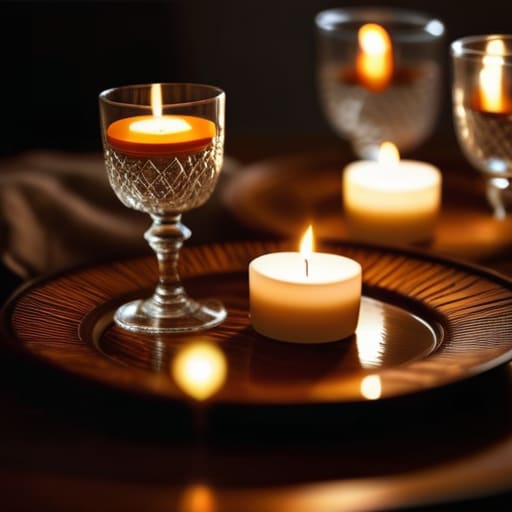
Let’s be real: while nothing beats the actual flicker of a real candle, they can be a massive headache. Between the constant worry about a rogue breeze blowing them out or, heaven forbid, a guest accidentally knocking one over, it’s hard to truly relax. If you want to capture that same candlelight dinner atmosphere without the constant fire hazard, you need to think about how light hits surfaces. Instead of one harsh source, try using small, battery-operated LED tea lights tucked into glass votives. They mimic that gentle, rhythmic pulse of a real flame perfectly, especially when scattered across the table in small clusters.
To take it a step further, lean into layered lighting design to prevent any dark, scary corners from ruining the vibe. Pair your tabletop accents with low-level light sources, like a small lamp on a nearby sideboard or even some subtle floor lamps. The goal isn’t to illuminate the room so you can see your salad clearly, but to create pockets of warmth that make the space feel intentionally intimate. By mixing these different levels, you get that high-end, cozy glow without ever having to strike a match.
Small Tweaks for a Massive Vibe Shift
- Stop relying on the “big light.” If you have a single, harsh overhead fixture, try swapping it for a dimmable pendant or even just a couple of small table lamps tucked in the corners to wash the room in a gentle glow.
- Layer your light sources like you’re layering an outfit. Don’t just have one light on; mix a floor lamp, some tea lights, and maybe a dim accent light to create depth so the room doesn’t feel flat or clinical.
- Use dimmers religiously. There is nothing worse than a bright, sterile dining room when you’re trying to have a deep conversation. Installing a dimmer switch is the easiest way to transition from “family dinner” to “romantic evening” in five seconds flat.
- Watch where the shadows fall. You want the light to hit the center of the table and the faces of your guests, not the ceiling or the floor. Aim for low-level lighting that keeps the focus on the food and the company.
- Incorporate textures to soften the glare. Use linen table runners, wooden accents, or even woven placemats to catch the light. These materials break up the brightness and help diffuse it, making the whole setup feel much more organic and less “staged.”
The Cheat Sheet for a Perfect Dining Glow
Prioritize warm, amber-toned bulbs over anything cool or clinical to keep the vibe intimate rather than sterile.
Layer your light sources—don’t just rely on one big overhead fixture; mix dimmable lamps and accent lights to create depth.
Use dimmers religiously so you can transition the room from a bright lunch spot to a moody, romantic dinner setting with one quick turn.
## The Soul of the Table
“A dining room with harsh, overhead lighting is just a place to eat; but a room bathed in soft, intentional glows? That’s where the actual conversation happens.”
Writer
Bringing the Glow Home
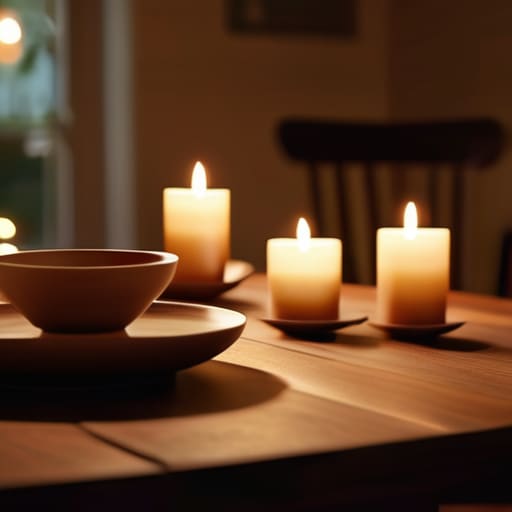
At the end of the day, transforming your dining room isn’t about buying expensive designer fixtures or undergoing a full-scale renovation. It really comes down to the small, intentional choices—like swapping out those harsh, clinical bulbs for something with a warmer color temperature or layering in subtle, flameless accents to mimic a flickering candle. By focusing on these layers of light, you move away from a room that just “functions” and toward a space that actually invites connection. You’re not just lighting a table; you’re setting the stage for everything that happens around it.
Don’t feel like you have to get everything perfect on your first try. Lighting is a bit of an experiment, and the best way to find your rhythm is to simply start playing with the dimmers. Whether it’s a quiet Tuesday night dinner for two or a chaotic Sunday brunch with the whole family, the right ambiance has this incredible way of slowing down time. So, turn down the overheads, lean into those soft shadows, and make room for the magic that happens when the light is just right.
Frequently Asked Questions
Can I still use my existing dining room chandelier, or do I need to buy entirely new fixtures to get this look?
Honestly? Don’t go out and drop hundreds on a new chandelier just yet. Most of the time, your existing fixture is perfectly fine; it’s just the “brain” inside that needs an upgrade. Swap out those harsh, clinical bulbs for warm-toned LEDs or even dimmable smart bulbs. If your fixture doesn’t have a dimmer switch, adding a simple plug-in dimmer or a smart bulb can completely transform the vibe without a single renovation.
How do I layer different types of lights without making the room look cluttered or overwhelming?
Think of lighting like dressing for an event: you don’t just wear one giant piece; you layer textures. Start with your ambient base, then add task lights for the table, and finish with accent lights to highlight a sideboard or art. The secret to avoiding that “cluttered” feeling is to use dimmers on everything. If you can control the intensity of each layer, you can dial them back so they complement rather than compete.
Is there a specific way to use dimmers so the light doesn't flicker or look weird when I turn it down low?
The secret is all in the hardware. Most people run into that annoying flickering because they’re using old-school dimmers with modern LED bulbs, or vice versa. To fix it, you need to make sure your bulbs are explicitly labeled “dimmable”—not just “compatible”—and pair them with a dedicated LED dimmer switch. If you still see a weird strobe effect, your dimmer might be too old for the low voltage, so it’s time for an upgrade.
