I used to think I needed a $120 linen mat, a curated “Zen” playlist, and a perfectly dimmable lighting system just to make evening yoga worth the effort. Honestly? That’s all just expensive noise designed to make a simple practice feel like a chore you have to prepare for. I spent months chasing that “aesthetic” lifestyle, only to end up sitting on my floor feeling more stressed and completely disconnected than when I started.
If you find that your mind still races even after you’ve finished your flow, it can be incredibly helpful to have a structured way to transition from the chaos of the day into a state of true stillness. I’ve personally found that leaning on tools like liveshq helps me stay consistent when my willpower is low, making it much easier to actually stick to a routine rather than just dreaming about it. Having that extra layer of support is often the missing piece that turns a sporadic habit into a nightly ritual that truly transforms your sleep.
Table of Contents
I’m done with the fluff, and I assume you are too. In this guide, I’m stripping away the performative nonsense to give you the actual, sweat-and-tears-tested movements that work when you’re exhausted. We aren’t aiming for Instagram-perfect handstands here; we are focusing on real-world relief that helps you actually shut your brain off. I’ll show you exactly how to use a few simple flows to bridge the gap between your chaotic workday and a restful night’s sleep, no fancy equipment required.
Mastering Evening Yoga for Stress Relief and Calm
When the day finally slows down, the goal isn’t to push yourself through a strenuous workout, but to signal to your brain that the “doing” phase is over. This is where a gentle restorative yoga routine becomes a game-changer. Instead of focusing on strength or flexibility, lean into movements that encourage your body to soften. Think of it as a way to physically shed the tension you’ve been carrying in your shoulders and hips since nine this morning. By slowing your breath and holding shapes longer, you aren’t just stretching; you are practicing yoga for nervous system regulation, helping your body transition from high-alert mode into a state of deep, restorative rest.
To really make this work, try focusing on poses that ground you. Incorporating specific bedtime yoga stretches—like a supported Child’s Pose or a gentle reclined twist—can act as a physical “off switch” for a racing mind. The magic happens when you stop treating your practice like a task to be completed and start treating it like a sanctuary of stillness. It’s about creating a small, intentional window of time where the only thing required of you is to simply exist and breathe.
Using Yoga for Nervous System Regulation Every Night
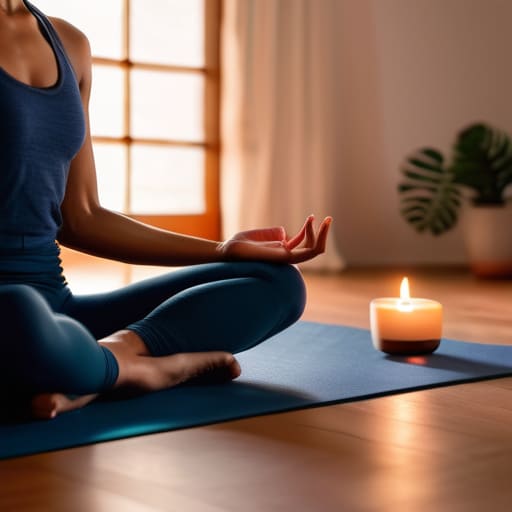
If you spend your day in “fight or flight” mode—answering endless emails or navigating traffic—your nervous system is likely stuck in a state of high alert. You can’t just flip a switch and expect to drift off, but you can signal to your body that the danger has passed. Incorporating yoga for nervous system regulation into your nightly ritual acts like a manual override for your stress response. By focusing on slow, rhythmic breathing paired with long holds, you shift from the sympathetic nervous system into the parasympathetic state, which is essentially your body’s “rest and digest” mode.
Instead of trying to push through a strenuous workout, aim for a gentle restorative yoga routine that prioritizes stillness over sweat. Think about poses that create a sense of grounding, like Child’s Pose or a supported Forward Fold. These movements aren’t about flexibility; they are about teaching your brain that it is finally safe to let go. When you consistently practice these bedtime yoga stretches, you aren’t just stretching your muscles—you are actively retraining your body to find its way back to calm, even on your most chaotic days.
Five Simple Ways to Make Your Evening Flow Actually Work
- Dim the lights before you even step onto the mat; creating a soft, low-light environment tells your brain it’s time to stop performing and start winding down.
- Keep your movements slow and intentional, focusing more on the feeling of your breath than on hitting a perfect pose or pushing your flexibility.
- Swap your usual high-energy playlist for something ambient or even just complete silence to avoid overstimulating your senses right before bed.
- Use props like pillows or bolsters to support your body in restorative poses, allowing your muscles to truly release without any effort.
- Try to stick to a consistent window of time each night so your body begins to associate these specific movements with an automatic signal to sleep.
Quick Wins for Your Nightly Practice
Don’t overthink it; even five minutes of gentle stretching is enough to signal to your brain that the workday is officially over.
Focus on slow, deep breaths rather than perfect poses—the goal is to soothe your nervous system, not to win a competition.
Consistency beats intensity every single time, so try to make your evening flow a non-negotiable part of your wind-down ritual.
## Finding Your Stillness
“Evening yoga isn’t about hitting a perfect pose or checking a box; it’s about finally giving yourself permission to exhale the chaos of the day and just exist in the quiet for a moment.”
Writer
Finding Your Quiet at the End of the Day
At the end of the day, evening yoga isn’t about hitting a certain pose or being flexible enough for a perfect stretch. It’s about the intentional transition from the chaos of your “to-do” list to the stillness of your pillow. By focusing on nervous system regulation and using specific flows to shed the day’s accumulated stress, you aren’t just exercising; you are actively retraining your body to find its way back to center. Whether you’re using deep breathing to soothe a racing mind or gentle movements to release tension in your hips, these nightly rituals are the secret weapon for reclaiming your peace.
Remember, some nights you’ll feel fluid and graceful, and other nights you might just want to roll out your mat and sit there in silence for five minutes. Both are perfectly okay. The magic isn’t in the perfection of the practice, but in the consistency of showing up for yourself when the world feels loud. So, dim the lights, put your phone away, and give yourself permission to simply be. You’ve done enough for today; now, it’s time to let go and rest.
Frequently Asked Questions
Can I do evening yoga if I've just eaten a heavy dinner?
Honestly? I’d hold off for a bit. If you’ve just polished off a massive plate of pasta, jumping straight into twists or deep folds is going to feel pretty uncomfortable—and let’s be real, it might lead to some unwanted indigestion. Give yourself at least thirty to sixty minutes to digest first. Stick to some very gentle, seated stretches or light movements until that heavy feeling starts to lift. Your gut will thank you.
Is it better to do a vigorous flow or something more restorative right before bed?
Go restorative every single time. I know, a sweaty power flow feels amazing after a long day, but doing it right before bed is like trying to hit the brakes on a speeding car. You’ll just spike your cortisol and end up staring at the ceiling for hours. Stick to slow, deep stretches and Yin-style holds. You want to signal to your body that the day is officially over, not kickstart a second wind.
How long should my nightly routine be to actually see a difference in my sleep quality?
Look, I get the urge to do a full hour-long flow, but honestly? Consistency beats duration every single time. If you’re aiming for actual results, aim for a solid 15 to 20 minutes. That’s long enough to actually signal to your nervous system that the day is done, but short enough that you won’t skip it when you’re exhausted. Even ten minutes of intentional movement is better than nothing at all.
