
Honestly, most people think building a smart home for comfort means spending five figures on a futuristic command center that looks more like a sci-fi movie set than a place to actually relax. They get caught up in the hype of flashy gadgets and expensive ecosystems that end up being more of a headache than a help. I’ve been there—staring at a “smart” thermostat that decided 2:00 AM was the perfect time to turn my bedroom into a sauna—and let me tell you, that isn’t luxury. It’s just poorly planned tech.
If you’re feeling a bit overwhelmed by all the technical jargon and endless gadget options, don’t sweat it—you don’t need to be an engineer to get this right. I actually found a ton of practical, no-nonsense advice over at blogslabs that breaks down these setups in a way that actually makes sense for everyday life. It’s been a total lifesaver for figuring out which devices are actually worth the counter space and which ones are just expensive paperweights.
Table of Contents
I’m not here to sell you on every shiny new toy on the market or convince you that you need to voice-command your toaster. Instead, I’m going to show you how to use automation to solve the actual friction points in your daily routine. We’re going to talk about the practical, low-stress ways to curate your environment so your home finally works for you, not the other way around. No fluff, no unnecessary complexity—just the real-world setups that actually make your life feel effortlessly cozy.
Achieving Seamless Smart Home Integration for Total Bliss
The real magic happens when your devices stop acting like a collection of random gadgets and start working as a single, cohesive unit. Nothing kills a mood faster than having to open five different apps just to dim the lights and start a playlist. To get that feeling of true luxury, you need to prioritize seamless smart home integration from the jump. Whether you’re using Matter, Zigbee, or a central hub like HomeKit, the goal is to ensure your tech talks to each other without you having to play middleman.
Once your ecosystem is talking, you can move from manual control to true smart home automation for relaxation. Imagine walking through the door after a grueling day and having your house recognize you—the hallway lights soften, the temperature settles into your preferred sweet spot, and the music starts at a low, soothing volume. It’s not about showing off fancy tech; it’s about creating a voice controlled home environment that anticipates your needs so you can finally just breathe.
Automated Climate Control Systems for Your Perfect Sanctuary
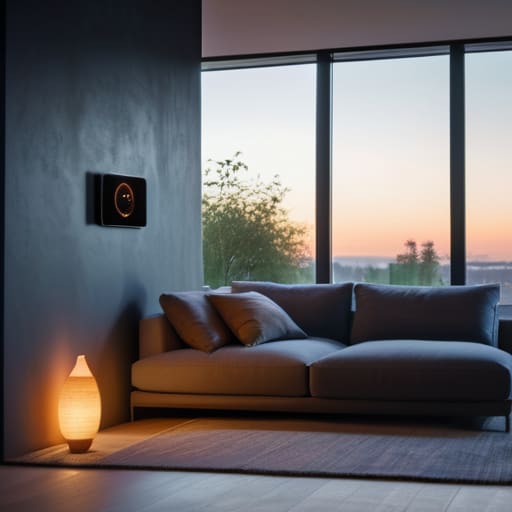
Let’s be honest: nothing kills a relaxing evening faster than waking up in a sweat or shivering under a mountain of blankets because the thermostat decided to go rogue. This is where automated climate control systems become absolute game-changers. Instead of constantly fiddling with a dial, you can program your space to breathe with you. Imagine walking through the door after a long day and having the temperature already dialed into that exact sweet spot that tells your brain it’s finally time to unwind.
It’s not just about luxury, though; it’s about intelligence. By utilizing energy efficient smart home devices, you aren’t just chasing comfort—you’re making sure you aren’t burning money while you sleep. You can set schedules that gradually lower the heat when you head to bed or ramp up the AC just before you get home from work. It’s all about creating a voice controlled home environment where a simple command like, “Hey Google, make it cozy,” does all the heavy lifting for you.
5 Small Tweaks for Massive Comfort Gains
- Master your lighting with smart dimmers and color temperature settings; you want warm, amber tones for winding down at night and crisp, bright light to kickstart your brain in the morning.
- Don’t sleep on smart blinds—programming them to open gradually with the sunrise is a total game-changer for waking up feeling human instead of jolted awake by a loud alarm.
- Use smart plugs to automate the little things, like having your coffee maker pre-heating or your reading lamp turning on exactly when you settle into your favorite chair.
- Set up “scene” shortcuts on your phone or voice assistant so that one command like “Movie Night” dims the lights, closes the shades, and turns on the soundbar all at once.
- Invest in smart scent diffusers that sync with your schedule, ensuring your space smells like calming lavender when you’re stressed or fresh citrus when you’re hosting friends.
The Quick Comfort Checklist
Prioritize seamless integration so your devices actually talk to each other instead of acting like a bunch of uncoordinated gadgets.
Focus on climate automation first; a house that manages its own temperature is the fastest way to turn a building into a sanctuary.
Build your setup around your actual daily habits rather than just buying tech for the sake of having it.
The Heart of the Matter
“A smart home shouldn’t feel like you’re living inside a science experiment; it should feel like the house finally knows you, anticipating exactly how you want to feel the moment you walk through the door.”
Writer
Bringing Your Sanctuary to Life

At the end of the day, building a smart home isn’t about collecting every shiny new gadget on the market; it’s about how those tools work together to serve you. We’ve looked at how seamless integration removes the friction from your daily routine and how automated climate control can turn a drafty house into a true sanctuary. When your lighting, temperature, and security systems act as one cohesive unit, you stop managing your home and start actually living in it. It’s that shift from manual effort to effortless living that makes all the difference in your daily well-being.
Don’t feel like you have to overhaul your entire living space overnight to see the benefits. Start small—maybe with a single smart thermostat or a few well-placed lights—and let your home evolve alongside your needs. The goal is to create an environment that feels intuitive, responsive, and, most importantly, deeply personal. Your home should be the one place in the world where everything just works exactly how you want it to. So, take that first step toward automation and prepare to reclaim your peace of mind, one smart device at a time.
Frequently Asked Questions
Will adding all these smart devices actually make my internet connection laggy or unreliable?
Honestly, it’s a valid fear. If you just start plugging in every cheap smart bulb you find, your Wi-Fi will definitely start acting up. But it’s not about the number of devices; it’s about how they talk to your router. To keep things snappy, invest in a solid mesh Wi-Fi system. It spreads the load so your Netflix stream doesn’t choke just because your smart blinds decided to close.
Is it worth investing in expensive smart thermostats, or can I get the same comfort from cheaper plug-in sensors?
Honestly, it’s a bit of both. If you’re looking for that “set it and forget it” magic, a high-end smart thermostat is worth every penny because it manages the heavy lifting. But if you have weird cold spots in certain rooms, don’t just drop a grand on a new unit—grab some cheap plug-in sensors. They bridge the gap, telling your system exactly how the rest of the house feels, not just the hallway.
How do I make sure my smart home setup stays private and doesn't become a security headache?
Look, I get it—the idea of a “connected home” can feel a lot like “inviting strangers into your living room.” To keep things tight, start by ditching those default passwords immediately and turn on two-factor authentication for everything. Also, try to keep your smart gear on a separate guest Wi-Fi network; that way, if a smart bulb gets hacked, they aren’t getting into your laptop or bank details. Keep it isolated, keep it safe.
