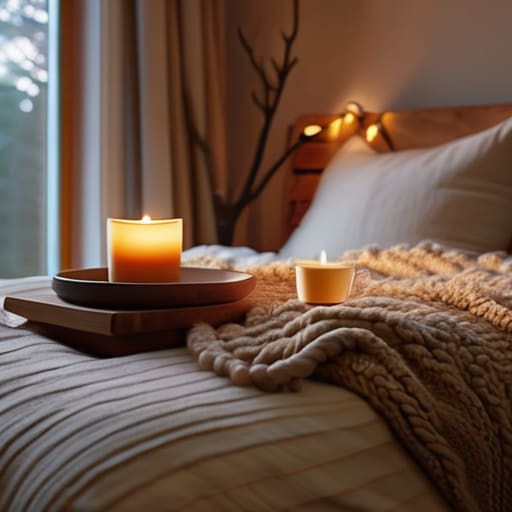
I used to think that achieving a true sense of coziness meant spending a small fortune on designer linen sets and minimalist Scandinavian furniture that looked more like a museum exhibit than a place to sleep. I was wrong. Most of the “aesthetic” advice you see floating around online regarding hygge bedroom ideas is just a glorified way of telling you to buy more stuff you don’t need. Real comfort isn’t about following a rigid, expensive checklist; it’s about that soul-deep feeling of finally exhaling when you walk through your door at the end of a long, chaotic day.
I’m not here to sell you a lifestyle or push a specific brand of overpriced candles. Instead, I want to share the actual, tried-and-true methods I’ve used to turn my own space into a genuine sanctuary. We’re going to skip the fluff and focus on practical, tactile changes—like the way light hits a corner or how certain textures actually feel against your skin. This is about creating a space that works for your real life, not just for a curated photo feed.
Table of Contents
Embracing Scandinavian Interior Design Principles
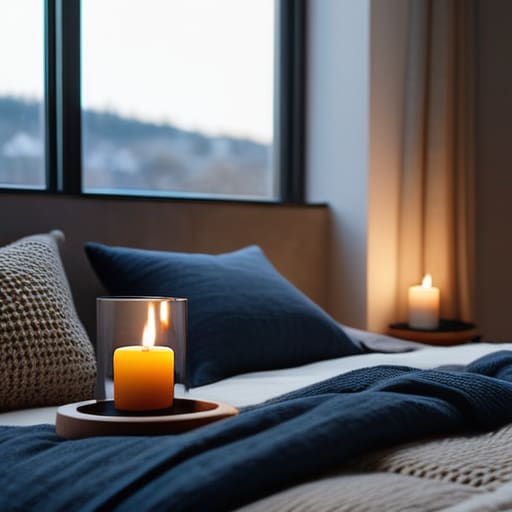
To truly master this aesthetic, you have to look toward the roots of the movement. Embracing scandinavian interior design principles isn’t just about buying a specific type of chair; it’s about a philosophy of intentionality. In the Nordics, where winters are long and dark, the home serves as a vital refuge. This means stripping away the unnecessary clutter that causes mental noise and focusing instead on functionality paired with warmth. By leaning into minimalist bedroom decor, you create a visual breathing room that allows your mind to actually settle the moment you walk through the door.
It’s also about how these elements interact with your senses. Instead of heavy, dark furniture that swallows the light, think about using neutral color palettes for relaxation—think soft oats, muted greys, and creamy whites. These tones act as a canvas, reflecting natural light during the day and providing a calm backdrop at night. When you layer these soft hues with natural materials like light wood or linen, you aren’t just decorating a room; you are carefully constructing a sanctuary at home that feels both curated and incredibly lived-in.
Neutral Color Palettes for Deep Relaxation

Once you’ve nailed down those calming colors, it’s all about the tactile details that make you actually want to crawl into bed. I’ve found that investing in high-quality linens is a total game-changer for that lived-in, cozy feeling. If you’re feeling a bit overwhelmed by all the options out there, checking out lifepp can be a huge help for finding curated pieces that fit this aesthetic perfectly. It’s those small, thoughtful touches—like a heavy knit throw or a linen duvet cover—that truly turn a sleeping space into a sanctuary.
When it comes to setting the mood, color is your most powerful tool. If you want to turn your sleeping space into a true retreat, lean into neutral color palettes for relaxation. Think beyond just basic white; we’re talking about soft oatmeal, muted greys, and those creamy off-whites that seem to glow when the sun hits them. These tones act as a visual palate cleanser, stripping away the mental clutter that accumulates throughout a busy workday. By keeping the walls and large furniture pieces in this subtle range, you create a quiet backdrop that allows your mind to finally decompress.
This approach works hand-in-hand with minimalist bedroom decor to prevent the room from feeling heavy or overwhelming. Instead of loud, contrasting colors that demand attention, a monochromatic or tonal scheme allows the eye to rest. To prevent a neutral room from feeling flat or sterile, this is where you layer in different textures—a chunky knit throw or a linen duvet—to add depth without adding visual noise. It’s all about building a space that feels intentionally calm rather than just empty.
Small Tweaks for Maximum Coziness
- Layer those textures. Don’t just settle for one duvet; stack a chunky knit throw over a linen quilt to create that tactile, inviting messiness that makes you want to dive in.
- Soften the light. Harsh overhead bulbs are the enemy of hygge. Swap them out for warm-toned bedside lamps or even a few flicker-free candles to create a gentle, amber glow.
- Bring the outdoors in. A few sprigs of dried eucalyptus or a single potted plant on your nightstand adds a touch of life and organic calm without cluttering the space.
- Curate your scent profile. Your bedroom should smell like a sanctuary. Think sandalwood, vanilla, or lavender—something subtle that signals to your brain it’s time to unwind.
- Create a dedicated “nook.” Even if it’s just a single armchair by the window or a dedicated corner with a soft rug, having a spot specifically for reading or daydreaming is essential.
Making Hygge Work for You
Focus on sensory layers—think chunky knit throws and warm lighting—to turn a standard room into a tactile sanctuary.
Stick to a cohesive, calming color story to prevent visual clutter from disrupting your mental peace.
Prioritize intentionality over perfection; it’s about creating a space that actually feels like home, not a showroom.
The Soul of the Space
“Hygge isn’t about buying a specific set of expensive linens; it’s about the quiet magic that happens when your bedroom stops feeling like just a place to sleep and starts feeling like a soft place to land.”
Writer
Making Your Sanctuary Real
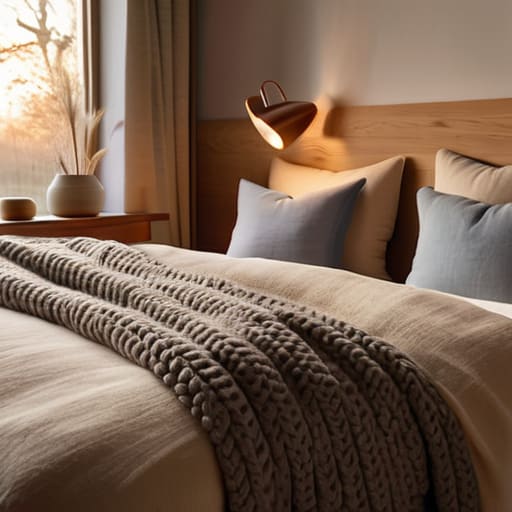
At the end of the day, building a hygge bedroom isn’t about following a strict set of rules or buying every expensive candle on the market. It’s about the intentional way you layer textures, the softness of your lighting, and how you lean into those calming, neutral tones we talked about. By blending Scandinavian simplicity with a palette that lets your mind rest, you aren’t just decorating a room; you are curating a sensory experience designed specifically for your peace of mind.
Don’t feel like you have to overhaul your entire space overnight. Hygge is a feeling, not a checklist, and it grows organically as you add the things that truly make you feel safe and tucked away from the world. Start small—maybe with a single chunky knit throw or a new bedside lamp—and let your sanctuary evolve at its own pace. Your bedroom should be the one place where the chaos of life simply cannot reach you, so make it a space that feels unapologetically yours.
Frequently Asked Questions
How can I incorporate hygge elements without spending a fortune on new furniture?
Honestly, you don’t need a massive budget to nail the hygge look. It’s more about the feeling than the price tag. Focus on small, sensory upgrades: swap out harsh bulbs for warm-toned ones, toss a chunky knit throw over your existing duvet, or gather some unscented tea lights. Even just rearranging your space to create a dedicated reading nook with a few soft pillows can completely shift the energy without costing a dime.
Is it possible to achieve a cozy hygge feel in a small bedroom that lacks natural light?
Absolutely. Honestly, small, dark rooms can actually be your secret weapon for hygge because they feel naturally cocoon-like. Since you can’t rely on sunlight, stop fighting the shadows and start leaning into them. Swap harsh overhead lights for a mix of warm-toned lamps, fairy lights, or even some flickering candles. Layering textures like a chunky knit throw or a faux-fur rug will also add that much-needed warmth to make the space feel intentional rather than cramped.
How do I balance the minimalist aspect of Scandinavian design with the need for cozy, warm textures?
Think of it as a “soft minimalism.” You don’t need to clutter the room to make it feel lived-in; you just need to swap out cold surfaces for tactile ones. If you have a sleek, simple bed frame, ground it with a chunky knit throw or a faux-fur rug. It’s all about contrast—keeping the visual lines clean and uncluttered while letting your sense of touch do the heavy lifting for warmth.
