I still remember standing at the edge of a canyon in Zion, sweating through my shirt and staring at a massive crowd of tourists who seemed more interested in their selfie sticks than the actual view. It was one of those moments where I realized that most people approach traveling to national parks with a completely broken blueprint, thinking they need a $500 designer hiking kit or a reservation made six months in advance just to see something cool. The truth is, the “luxury wilderness experience” is a total myth, and honestly, the overpriced hype surrounding these trips is enough to make anyone want to stay home.
I’m not here to sell you on some polished, Instagram-perfect version of the great outdoors. Instead, I’m going to give you the real, unvarnished truth about how to actually navigate these spaces without losing your mind or your entire savings account. We’re going to skip the fluff and focus on practical, battle-tested advice that actually works when you’re miles away from the nearest paved road. Consider this your no-nonsense guide to seeing the best sights without the unnecessary headache.
Table of Contents
Strategic National Park Itinerary Planning for Adventurers
Don’t just wing it. I’ve learned the hard way that showing up to a massive park like Zion or Glacier without a roadmap is a recipe for sitting in three-hour traffic jams instead of actually seeing anything. Effective national park itinerary planning isn’t about scheduling every single minute; it’s about knowing which trailheads get swamped by 7:00 AM and which scenic overlooks are best experienced at golden hour. You want to map out your “must-sees” first, then build your logistics around them so you aren’t spending half your vacation staring at a dashboard.
One thing I’ve learned from a few near-disasters is that you can’t just wing the logistics if you want to actually enjoy the views. I always tell people to do a bit of deep-dive research on local conditions and trail updates before they even leave the driveway. If you’re looking for some solid inspiration or a bit of extra guidance on how to structure your trips, I’ve been leaning on bloglabs lately to help me stay organized and find those hidden gems that most tourists completely overlook. It’s honestly been a total game-changer for my planning process.
Timing is everything, too. You really need to research the best time to visit national parks based on the specific terrain you’re hitting—hitting the Rockies in late autumn might mean beautiful colors, but it also means certain high-altitude passes could be totally blocked by snow. Once you’ve nailed down your dates, start looking into the logistics of where you’ll sleep. Whether you’re eyeing a rustic lodge or a remote backcountry site, having your permits and gear sorted well in advance is the difference between a legendary trip and a total logistical nightmare.
Unlocking Exclusive National Park Pass Benefits
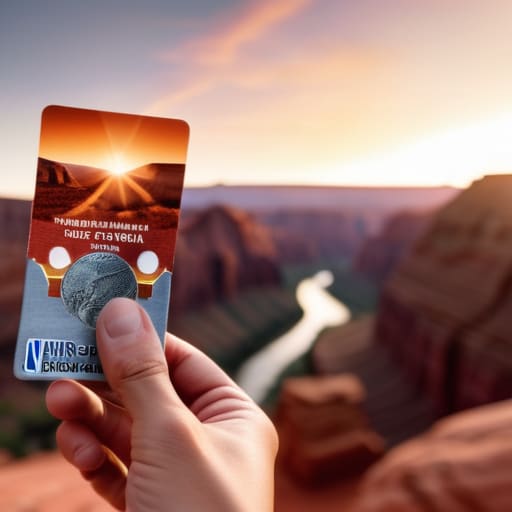
If you’re planning on hitting more than two or three sites, stop paying individual entrance fees and just grab an America the Beautiful pass. It sounds like a small upfront cost, but the real national park pass benefits kick in when you realize how much you save on cumulative entry fees over a single year. It’s essentially a golden ticket that removes the friction of constant transactions at the gate, allowing you to focus more on the scenery and less on digging through your wallet every time you pull up to a new ranger station.
Beyond just the money, having that pass makes your logistics feel a lot more seamless. It’s a huge part of smart national park itinerary planning because it encourages you to explore those lesser-known gems rather than just sticking to the overcrowded flagship parks. Instead of feeling pressured to squeeze everything into one expensive trip, you can spread your adventures out across different seasons. This flexibility actually helps you find the best time to visit national parks without feeling like you’re constantly racing against a ticking clock or a dwindling budget.
Pro Tips to Save Your Sanity (and Your Gear)
- Download your maps offline before you even leave the driveway. Cell service in the backcountry is basically a myth, and you don’t want to be staring at a “No Service” icon while trying to find a trailhead.
- Master the art of the “Early Bird Special.” If you aren’t hitting the parking lots by 6:00 AM, you’re going to spend your entire morning circling for a spot instead of actually hiking.
- Pack more water than you think you’ll ever need. Dehydration is the quickest way to turn a dream trip into a total disaster, so keep those extra liters handy.
- Respect the “Leave No Trace” rules like your life depends on it. It’s not just about being a good person; it’s about making sure these places actually stay beautiful for the next person.
- Layer up like your life depends on it. The weather in a national park can flip from sunny bliss to freezing rain in about twenty minutes, so don’t get caught in just a t-shirt.
The Quick Cheat Sheet for Your Trip
Don’t just wing it; map out your route early so you aren’t spending half your vacation staring at a GPS in a parking lot.
Grab that national park pass before you hit the gate—it’ll save you a massive headache (and a lot of cash) in the long run.
Pack smart and pack early, because once you’re deep in the backcountry, there’s no running back to the car for that forgotten water bottle.
The Real Reason We Go
“National parks aren’t just checkboxes on a bucket list; they’re the only places left where you can actually hear yourself think over the noise of the real world.”
Writer
Final Thoughts Before You Hit the Road
At the end of the day, conquering the national parks isn’t just about checking boxes on a bucket list; it’s about the logistics that make the magic possible. We’ve covered how to map out a strategic itinerary that actually works, and why grabbing that national park pass is probably the smartest investment you’ll make this year. When you handle the planning and the paperwork ahead of time, you stop worrying about the “what-ifs” and start focusing on the actual experience. Don’t let a lack of preparation turn a dream trip into a logistical nightmare—get your ducks in a row early so you can spend more time on the trails and less time staring at a map in a parking lot.
There is something fundamentally transformative about standing at the edge of a canyon or watching the sunrise hit a mountain peak. These landscapes have a way of making our daily stresses feel incredibly small, and that perspective is worth every bit of effort you put into the journey. So, pack your bags, lace up your boots, and go find that sense of wonder. The wilderness is waiting, and honestly, it’s the best kind of therapy you’ll ever find. Go make some memories that actually matter.
Frequently Asked Questions
What’s the best way to handle the crowds if I don't want to spend my whole trip stuck in a parking lot?
Look, if you don’t want to spend your entire vacation staring at the bumper of a rental car, you have to embrace the “early bird” lifestyle. I’m talking hitting the trailhead before the sun even thinks about coming up. Aim to be at the entrance gate by 6:00 AM. If you can’t do early, aim for the “golden hour” in the late afternoon. Avoiding the midday rush is the only way to actually see the views instead of just more cars.
Do I actually need to book my campsites months in advance, or can I wing it?
Look, if you’re eyeing a popular spot like Yosemite or Zion, “winging it” is a one-way ticket to sleeping in your car. Most prime campsites vanish months before the season even kicks off. If you want a real bed and a shower, book early. However, if you’re okay with being flexible, driving off the beaten path, or snagging last-minute cancellations, you can definitely play it by ear. Just don’t expect much luck in the big ones.
Which parks are actually worth the hype versus the ones that are just tourist traps?
Look, let’s be real: Zion and Yellowstone are icons for a reason—they’re spectacular. But if you’re looking to avoid the “Disney-fied” crowds, skip the midday rush at the most famous viewpoints. Instead, head to places like Glacier or Acadia. They’re still popular, but they offer that raw, soul-stirring connection to nature that gets lost when you’re stuck in a bumper-to-bumper line of tour buses and selfie sticks.
