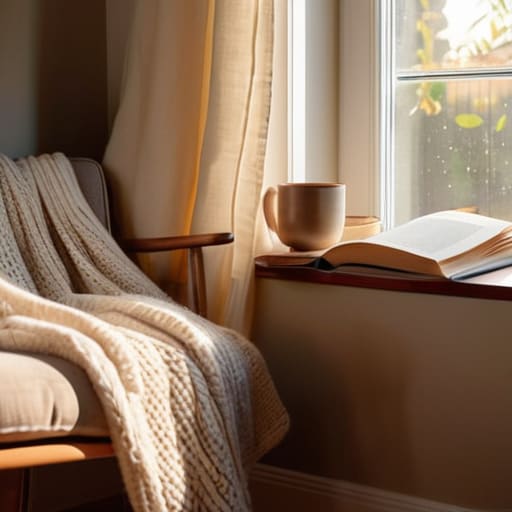
Please, stop scrolling through those Pinterest boards filled with $2,000 velvet armchairs and perfectly curated macramé wall hangings. If you think creating a cozy reading nook requires a massive home renovation budget or a degree in interior design, you’ve been lied to by people selling aesthetic lifestyles. A real sanctuary isn’t about buying a specific brand of linen pillow; it’s about finding that one quiet corner where the rest of the world finally shuts up.
I’m not here to give you a shopping list of overpriced decor that looks good in a photo but feels terrible in real life. Instead, I’m going to share the actual, messy, and highly effective ways I’ve learned to build a space that works for real people. We’re going to talk about lighting that doesn’t strain your eyes, textures that actually feel good against your skin, and how to claim your territory in a crowded house. This is about building a functional escape, not a museum piece.
Table of Contents
Mastering Soft Textures for Relaxation
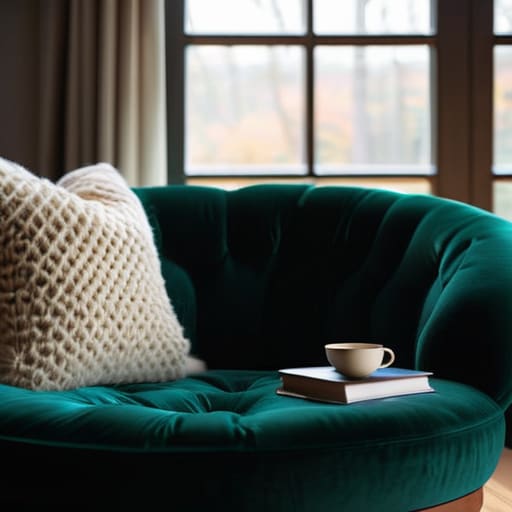
If you want to truly sink into a story, you have to think about how everything feels against your skin. This is where soft textures for relaxation become the secret weapon of any great reading spot. I’m talking about layering different materials to create a sensory cocoon. Think a chunky knit throw draped over a velvet armchair, or perhaps a faux-fur rug beneath your feet. When you mix these elements, you aren’t just decorating; you’re building a physical barrier between yourself and the chaos of the outside world.
It’s easy to get caught up in the visual side of cozy home decor aesthetics, but the tactile experience is what actually signals to your brain that it’s time to unwind. If you’re working with limited square footage, even a few well-placed linen pillows can transform a stiff chair into a sanctuary. The goal is to create a space that feels intentionally indulgent. When you finally sit down and wrap yourself in a weighted blanket, the transition from “busy mode” to “reading mode” happens almost instantly.
Finding the Best Lighting for Reading
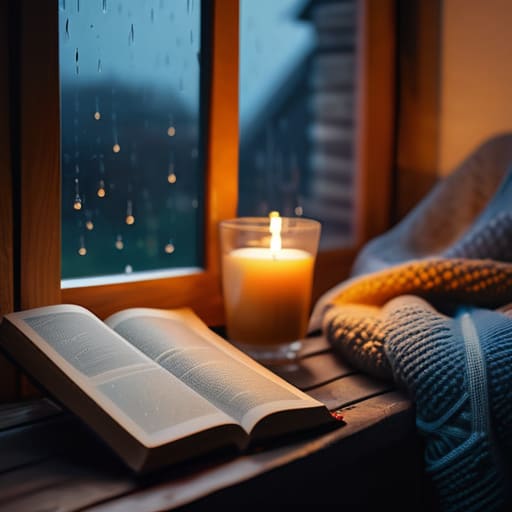
Beyond the physical setup, I’ve found that the real magic happens when you curate the perfect atmosphere through sound and scent. If you’re a fan of getting lost in a story, sometimes a little background ambiance—like the soft crackle of a fireplace or the gentle patter of rain—can make the whole experience feel much more immersive. I actually stumbled upon some incredible ambient soundscapes and curated reading playlists over at bloglabs, which has become my go-to resource whenever I need to shut out the noise of the real world and truly sink into a chapter.
Once you’ve nailed the seating and the blankets, you have to talk about the light. There is nothing that kills a mood faster than a harsh, overhead fluorescent bulb that makes you feel like you’re sitting in a doctor’s waiting room. To truly master the best lighting for reading, you want to layer your light sources. Instead of one big lamp, try combining a warm floor lamp that arches over your shoulder with a small, dimmable task light. This creates that soft, golden glow that defines those dreamy cozy home decor aesthetics we all crave.
If you’re working with limited square footage, don’t sweat it. Some of the most effective small space reading corner ideas actually rely on wall-mounted sconces or even clip-on lights. These keep your floor clear while directing the beam exactly where your eyes need it most. The goal isn’t just visibility; it’s about creating an atmosphere that tells your brain it’s time to unplug. Aim for a warm color temperature—think amber or soft yellow—to ensure your sanctuary feels truly intentional and inviting.
The Finishing Touches: Small Details That Make a Big Difference
- Grab a side table that’s actually useful. You need a dedicated spot for a steaming mug of tea or a half-empty glass of wine without worrying about a spill on your pages.
- Bring the outside in with a few low-maintenance plants. A little bit of greenery, like a trailing pothos, breathes life into a corner and keeps the space from feeling stagnant.
- Don’t forget the scent. A lightly scented candle or a subtle room spray can act as a sensory trigger, telling your brain it’s officially time to switch off and dive into a story.
- Curate a “reading basket” nearby. Keep your current reads, a bookmark, and maybe a pair of reading glasses tucked away so you don’t have to break your flow to go hunting for them.
- Layer in some personal soul. A nook shouldn’t look like a showroom; hang a piece of art that moves you or display a stack of books that actually mean something to your journey.
The Nook Essentials Checklist
Prioritize sensory comfort by layering soft fabrics like chunky knits and velvet pillows to ground your space in relaxation.
Ditch the harsh overhead lights in favor of warm, adjustable task lighting that protects your eyes and sets a calm mood.
Curate a personal sanctuary that balances physical coziness with a quiet atmosphere, making it your dedicated escape from the noise.
The Soul of the Space
“A reading nook isn’t just a chair and a lamp; it’s the physical manifestation of your permission to disappear from the world for a little while.”
Writer
Making It Your Own
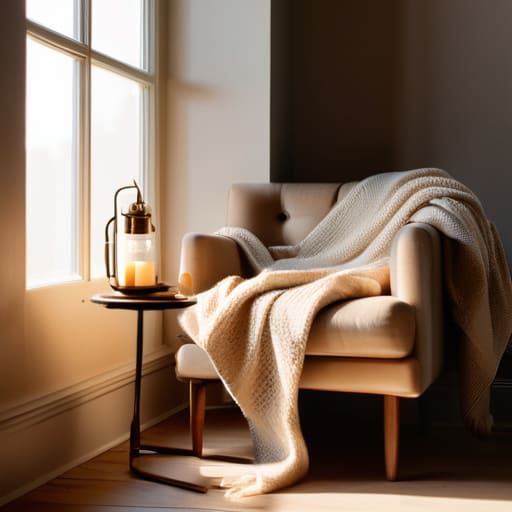
At the end of the day, building the perfect reading nook isn’t about following a strict checklist or buying every expensive gadget on the market. It’s about the intentional layering of small, thoughtful details—from the way a chunky knit throw drapes over your chair to the exact angle of a warm, amber glow from your lamp. When you combine these tactile comforts with the right atmosphere, you aren’t just setting up a corner of a room; you are constructing a dedicated sanctuary designed specifically for your peace of mind.
Don’t feel like you have to get everything perfect on day one. The best reading spaces are the ones that evolve alongside you, growing more comfortable with every new book you finish and every season that changes outside your window. Whether your nook is a massive velvet armchair in a sun-drenched corner or just a tiny pile of pillows tucked away in a quiet alcove, let it be a place where the rest of the world finally fades into the background. Go ahead, grab your current read, settle in, and get lost in the story.
Frequently Asked Questions
How can I make a reading nook feel cozy if I’m working with a tiny apartment or zero extra floor space?
Think vertically, not horizontally. If you don’t have floor space, look to your walls or your windows. A window seat made from a few sturdy cushions can turn a cramped corner into a sanctuary. Alternatively, grab a stylish wall-mounted floating shelf and a small clip-on reading light. Even a dedicated “reading chair” that doubles as an accent piece in a corner works—just make sure it’s draped in a chunky knit throw to claim its territory.
What are some ways to keep my nook feeling comfortable during the summer months without all the heavy blankets?
Swap the chunky knits for lightweight linen or thin cotton throws; they still offer that sense of being “tucked in” without the heatstroke. I also love keeping a small, oscillating fan nearby—not just for the breeze, but for that gentle white noise that helps drown out the world. Finally, ditch the heavy pillows for something more breathable, like bamboo covers, to keep your skin cool while you dive into your latest page-turner.
Do I need to invest in a specialized reading chair, or can I make a regular spot work?
Honestly? Don’t go out and drop a fortune on a specialized reading chair unless you’re truly obsessed. The best nook is about support, not a price tag. If you have a reliable armchair, just add a firm lumbar pillow and a thick cushion to your existing seat. It’s more about finding a corner where you can actually settle in without your back aching twenty minutes later than it is about buying “official” furniture.
