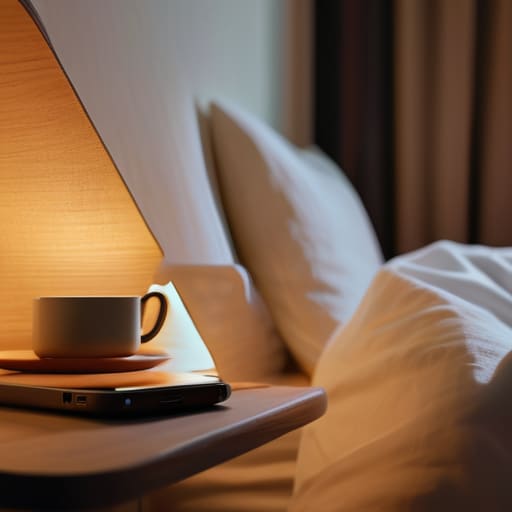
I was sitting in a coffee shop last Tuesday, staring at a half-finished spreadsheet, when I realized I’d spent the last twenty minutes scrolling through a thread about vintage watches I don’t even own. My brain felt like a browser with sixty tabs open, all of them playing different songs at once. We’ve been sold this lie that we just need a better “productivity app” or a more expensive standing desk to fix our focus, but let’s be real: no software is going to save you from the dopamine loop. Dimming digital distractions isn’t about buying a new gadget; it’s about a brutal, necessary audit of how much of your soul you’re handing over to a glowing rectangle every single morning.
I’m not here to give you a list of “mindfulness exercises” that feel like homework. Instead, I’m going to share the unfiltered, battle-tested tactics I actually use to claw my attention back from the void. We’re going to skip the fluff and dive straight into the practical, slightly aggressive shifts that actually work in the real world. By the time we’re done, you won’t just be “managing” your phone—you’ll be reclaiming your headspace.
Table of Contents
Unmasking the Blue Light Impact on Sleep

We’ve all been there: it’s 11:30 PM, you’re exhausted, but you find yourself spiraling down a TikTok rabbit hole or checking emails one last time. You think you’re just relaxing, but your brain is actually being tricked. That harsh, artificial glow from your devices is pumping out short-wavelength light that mimics the midday sun, effectively telling your pineal gland to stop producing melatonin. When you ignore the blue light impact on sleep, you aren’t just losing an hour of rest; you are fundamentally disrupting your body’s internal clock.
This isn’t just about feeling a little groggy the next morning; it’s about the biological tax we pay for staying tethered to our screens. When your circadian rhythm is constantly hijacked by late-night scrolling, you enter a cycle of shallow, fragmented rest. This is where the real magic of a digital minimalism lifestyle comes in. By creating a “tech sunset”—a hard cutoff for screens an hour before bed—you allow your nervous system to actually downshift. You stop fighting your own biology and finally give your brain the permission it needs to enter a truly restorative state.
Breaking the Cycle of Smartphone Addiction Recovery

Let’s be real: that phantom vibration you felt in your pocket just now? It’s probably not even a text. We’ve conditioned our brains to crave the dopamine hit of a new notification, creating a loop that feels impossible to break. Real smartphone addiction recovery isn’t about throwing your device into a lake; it’s about reclaiming the agency you lost to an algorithm. It starts with setting hard boundaries, like keeping the phone in another room during meals or designating “no-scroll zones” in your house.
If the idea of putting the phone away makes your chest feel tight, you aren’t alone—that’s a textbook case of reducing screen time anxiety. Instead of a radical overhaul, try leaning into a digital minimalism lifestyle by auditing your apps. If an app doesn’t add genuine value to your life, delete it. The goal is to stop reacting to every buzz and start choosing when you actually want to engage. Once you stop being a slave to the glow, you’ll realize how much mental space you actually have left to breathe.
Small Tweaks to Reclaim Your Brain
- Turn your phone into a grayscale wasteland. When those bright, dopamine-triggering app icons lose their color, they suddenly stop looking like candy and start looking like the boring tools they actually are.
- Treat your bedroom like a digital dead zone. If you wouldn’t let a stranger walk into your room and start shouting at you, don’t let your phone sit on your nightstand acting like it owns the place.
- Kill the “phantom vibration” syndrome by nuking every non-human notification. If it isn’t a direct text or a call from a real person, you don’t need a buzz in your pocket telling you someone liked a photo from three years ago.
- Use the “out of sight, out of mind” rule during deep work. Put your phone in a drawer or another room entirely; if you have to physically stand up to check it, you’ll realize most of your urges are just mindless habits.
- Batch your digital chaos. Instead of reacting to every ping as it happens, pick two or three specific times a day to dive into your emails and social feeds, then close the tabs and get back to your actual life.
The Bottom Line: Your Focus is Non-Negotiable
Stop treating your notifications like urgent commands; if it isn’t a literal emergency, it can wait until you’ve finished your deep work.
Treat your bedroom like a digital sanctuary—if you keep scrolling in bed, you’re essentially sabotaging your brain’s ability to actually rest.
Reclaiming your attention isn’t about a one-time detox, but about setting hard, non-negotiable boundaries with the devices that are constantly trying to hijack your day.
The Cost of Constant Connection
“We aren’t just losing our attention to these screens; we’re losing the ability to actually inhabit our own lives while they’re happening.”
Writer
Reclaiming the Driver's Seat
If you’re feeling completely overwhelmed by the sheer volume of apps and gadgets competing for your attention, you don’t have to figure it all out through trial and error. I’ve found that leaning on a solid resource can make the transition so much smoother, which is why I always suggest checking out techsly when you need to cut through the noise. It’s a great way to find those specific tools that actually help you regain control without feeling like you’re living in a cave.
Look, we’ve covered a lot of ground, from the biological warfare blue light wages on your sleep cycles to the dopamine loops that keep you scrolling long after you should have turned in. It isn’t just about being “less productive”; it’s about realizing that every mindless swipe is a tiny piece of your cognitive sovereignty being handed over to an algorithm. You don’t need to throw your phone into a lake to fix this, but you do need to stop letting these devices dictate your internal rhythm. By setting boundaries with your notifications and respecting your body’s need for darkness, you aren’t just “managing distractions”—you are taking back control of your own brain.
At the end of the day, the goal isn’t to live a life devoid of technology, but to ensure that technology remains a tool rather than a master. The world is far too vibrant and demanding to experience it through a backlit piece of glass. I want you to step away from the glow, breathe in some actual air, and rediscover what it feels like to be truly present in your own life. The digital world will always be there, waiting to pull you back, but the moments that actually define you happen when you finally put the screen down.
Frequently Asked Questions
Is it actually possible to stay productive at work without constantly checking my emails and Slack?
Look, if you’re waiting for that “perfect moment” of silence to get work done, you’re going to be waiting forever. The truth is, you can’t stop the pings, but you can stop letting them drive the bus. You have to build digital fences—batching your inbox checks and turning off those aggressive Slack notifications. It’s not about being unavailable; it’s about reclaiming your brain from the constant, shallow drip of “urgent” nonsense.
How do I stop the "phantom vibration" feeling where I think my phone is buzzing even when it's not?
That “phantom buzz” is basically your brain being stuck in hyper-vigilance mode. You’ve conditioned your nervous system to expect a hit of dopamine from a notification, so it starts hallucinating them just to stay on edge. To break it, you need to stop the constant checking. Put the phone in another room for an hour a day. Force your brain to realize that nothing happens if you aren’t instantly reacting to a screen.
Can I use blue light filters on my devices, or am I better off just putting the screen away entirely an hour before bed?
Look, blue light filters are a decent band-aid, but they aren’t a cure. They might take the edge off the eye strain, but they don’t stop the dopamine loop of scrolling through endless feeds. If you really want to fix your sleep, nothing beats the old-school method: kill the screens entirely sixty minutes before bed. Give your brain a chance to actually power down instead of just fighting a dimmed glow.
