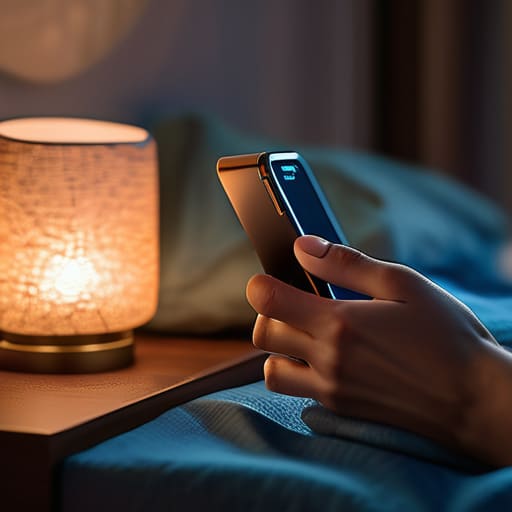
I used to think I needed some high-tech, $200 “blue light blocking” setup or a fancy smart-home overhaul just to stop my eyes from feeling like they were being sandblasted every night. Honestly, it’s such a scam to suggest that you need expensive gadgets to fix a problem that is actually just basic physics. Most of the advice you find online is way too complicated, but the truth about dimming electronics is actually much simpler—and a whole lot cheaper—than the tech gurus want you to believe.
I’m not here to sell you on a lifestyle brand or some over-engineered gadgetry. Instead, I’m going to give you the straight-up, no-nonsense methods I’ve actually used to reclaim my sleep and stop the eye strain. We’re going to skip the fluff and focus on the practical tweaks that actually work in the real world. If you want to know how to master dimming electronics without breaking the bank or losing your mind, you’re in the right place.
Table of Contents
Fighting Circadian Rhythm Disruption With Every Click
Think about that weird, wired feeling you get after scrolling through social media for an hour right before bed. You’re exhausted, yet your brain feels like it’s running a marathon. That’s not just “internet brain”—it’s a direct result of circadian rhythm disruption. When your eyes soak up that intense, artificial glare, your brain gets a signal that it’s high noon, even if it’s actually midnight.
The real culprit here is the battle between warm light vs blue light. Most of our devices pump out high-energy blue light that trick your pineal gland into thinking the sun is still up. This effectively halts your natural melatonin production and screens, making it nearly impossible to drift off into a deep sleep. Instead of winding down, you’re essentially forcing your body to stay in a state of high alert.
If you’re feeling like your brain is stuck in high gear even after you’ve put the phone down, it might be worth looking into some smarter ways to manage your digital environment. I’ve found that keeping up with the latest software tweaks and hardware settings can make a massive difference in how much strain you’re actually putting on your system. Checking out a resource like techhb is a total lifesaver when you need to find those specific adjustments that help balance your tech usage without feeling like you’re living in a cave.
To fix this, you don’t have to throw your phone out the window. Simply toggling the night mode on smartphones or adjusting your screen brightness settings for sleep can make a massive difference. It’s about creating a digital environment that respects your biology rather than fighting against it.
Melatonin Production and Screens the Biological Battle

Think of your brain like a high-end biological clock that’s incredibly sensitive to environmental cues. When the sun goes down, your body starts prepping for rest by pumping out melatonin, the hormone responsible for that heavy-lidded, sleepy feeling. The problem? Your smartphone is essentially a tiny, handheld sun. When you stare at a high-intensity display, your brain gets a false signal that it’s still midday, causing a massive crash in melatonin production and screens interacting in the worst way possible. It’s not just about being “awake”; it’s about your biology being tricked into staying on high alert.
To fight back, you have to get strategic about the spectrum of light you’re absorbing. It’s less about total darkness and more about the shift from warm light vs blue light dynamics. Blue light is high-energy and stays in your system like a shot of espresso, whereas warmer tones signal to your nervous system that the day is winding down. Toggling on the night mode on smartphones isn’t just a cosmetic preference; it’s a necessary hack to stop your devices from sabotaging your internal chemistry.
Small Tweaks for a Much Better Night's Sleep
- Set your phone to “Night Shift” or a similar warm-light mode automatically at sunset so you aren’t blindsided by blue light when you’re winding down.
- If you’re a late-night scroller, turn your brightness all the way down to the lowest readable setting—there’s no need to turn your bedroom into a light show.
- Invest in a pair of amber-tinted blue light glasses if you absolutely have to grind through work on a laptop after the sun goes down.
- Use “Dark Mode” across all your essential apps; it’s way easier on the eyes and keeps that harsh white glare from hitting you in the face.
- Try a “digital sunset” where you dim everything in the house an hour before bed to signal to your brain that the day is actually over.
The Cheat Sheet for Better Sleep
Treat your screen brightness like a sunset—the lower and warmer, the better it is for your brain.
Don’t just rely on “Night Mode”; physically dimming the backlight is the real game-changer for protecting your melatonin levels.
If you can’t ditch the tech, at least build a buffer zone by putting the phone away at least 30 minutes before you actually want to drift off.
The Digital Sunset
“We treat our screens like constant suns, but our bodies weren’t built for a world that never goes dark. Dimming your tech isn’t just a setting; it’s an act of rebellion against a 24/7 light cycle that’s trying to hijack your sleep.”
Writer
The Bottom Line on Your Digital Sunset
At the end of the day, dimming your electronics isn’t just about saving a little battery life or preventing a headache; it’s about protecting the delicate biological machinery that keeps you sane. We’ve looked at how blue light hijacks your circadian rhythm and how that constant screen glare acts as a direct roadblock to your natural melatonin production. It’s a lot to take in, but the takeaway is simple: your brain needs a signal that the day is over. By lowering the brightness and softening the glow of your devices, you aren’t just changing a setting—you are actively reclaiming your sleep cycle from the digital noise.
Don’t feel like you have to toss your smartphone out the window to see results. This isn’t about living in a cave; it’s about making small, intentional shifts that honor your body’s need for rest. Start tonight by sliding that brightness bar down just a few notches or turning on your night mode an hour before bed. You might be surprised at how much better you feel when you stop fighting against your own biology. Give yourself permission to unplug from the glare and step into a much calmer, more restorative version of your life.
Frequently Asked Questions
Does using a blue light filter actually work, or is it just a placebo?
It’s a bit of both, honestly. If you’re expecting a blue light filter to magically fix a ruined sleep schedule while you scroll TikTok until 2 AM, you’re going to be disappointed. It’s not a magic shield. But, it does shift the color temperature toward the warmer end of the spectrum, which is less jarring for your brain. It’s less of a cure-all and more of a helpful nudge to stop overstimulating your system.
Should I be dimming my screen during the day, or only when I'm winding down for bed?
Honestly? It’s a bit of both, but for different reasons. During the day, dimming isn’t about sleep—it’s about eye strain. If your screen is fighting a sunlit room, your eyes are working overtime. But as the sun dips, that’s when the stakes change. You want to taper that brightness down early to signal to your brain that the day is actually ending, rather than hitting a “dimming” switch right before bed.
Is there a specific brightness level I should aim for to keep my eyes from straining?
There’s no magic number, but here’s the golden rule: your screen should match the ambient light in your room. If you’re in a dim room and your screen looks like a glowing flashlight, it’s way too bright. If you’re struggling to read the text, it’s too dim. Aim for a soft, balanced glow that doesn’t fight your surroundings. If you have to squint or lean in, you’ve already lost the battle.
