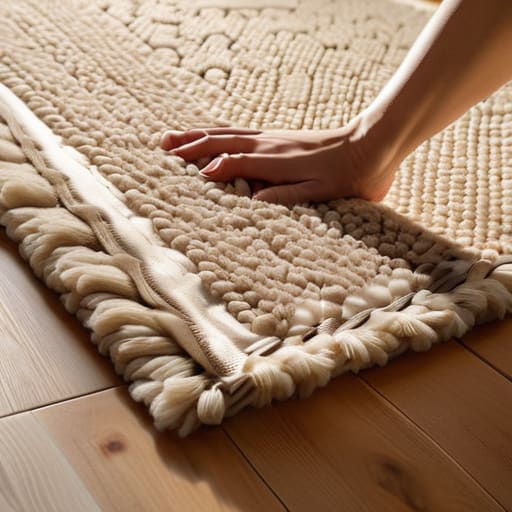
I still remember the exact moment I realized I’d been played by the home decor industry. I had spent a small fortune on what was marketed as the “ultimate luxury” piece, only to step onto it the next morning and feel something that was less cloud-like and more like walking on a sheet of cheap, scratchy cardboard. It was a total letdown, and it taught me that most advice regarding soft rug selection is nothing more than expensive marketing fluff designed to separate you from your paycheck. You don’t need a designer’s blessing or a massive budget to find something that actually feels good; you just need to know what to look for beyond the glossy showroom photos.
I’m not here to sell you on a lifestyle brand or peddle overpriced nonsense. Instead, I’m going to give you the unfiltered truth about fibers, pile heights, and the stuff they don’t tell you in the catalogs. We’re going to cut through the hype and focus on the real-world experience of how these textures actually hold up in a home. By the time we’re done, you’ll be able to navigate the chaos of shopping with total confidence.
Table of Contents
Decoding the Magic of Plush Rug Materials
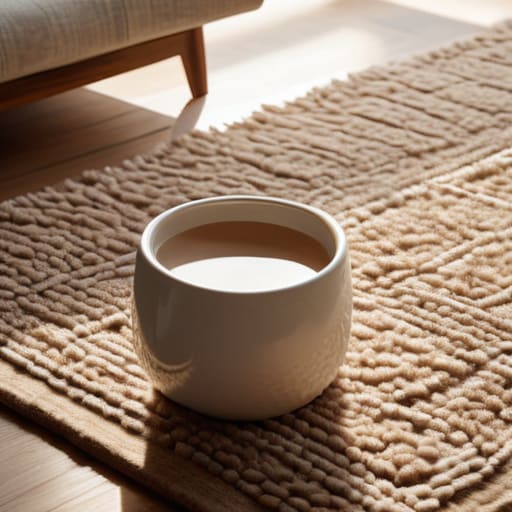
Of course, it’s easy to get lost in the weeds when you’re comparing pile heights and fiber density, so I always suggest keeping a few real-world examples handy while you browse. If you’re feeling a bit overwhelmed by all the technical jargon, checking out some curated inspiration over at blogpp can really help you visualize how different textures look in a lived-in space before you commit to a purchase.
When you start looking at different options, it’s easy to get overwhelmed by all the technical jargon. But at the end of the day, it really comes down to the fibers. If you’re chasing that cloud-like sensation, you’re likely looking at the debate of synthetic vs natural fiber softness. Wool is the gold standard for a reason—it has a natural resilience and a luxurious, heavy feel that’s hard to beat. On the other hand, high-quality polyester or microfiber can mimic that silkiness beautifully, often at a much friendlier price point.
The structure of the rug matters just as much as the stuff it’s made of. You’ll often hear people talk about high pile vs low pile construction, which is basically the difference between walking on a dense forest or a manicured lawn. A high pile offers that deep, sinking feeling that makes it one of the best rugs for bedroom comfort, especially when you’re stepping out of bed in the morning. Just keep in mind that the more “fluff” you invite into your home, the more attention it’s going to demand from your vacuum.
Synthetic vs Natural Fiber Softness the Great Debate
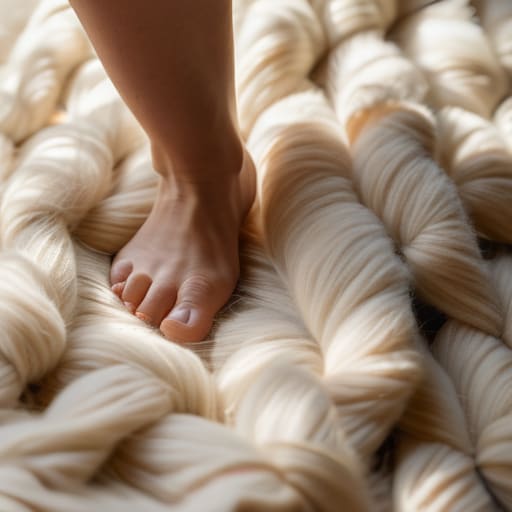
This is where things get a little polarizing. If you walk into a high-end showroom, you’ll likely be steered toward wool or silk—the gold standards of tactile home decor. There is an undeniable, organic soul to natural fibers; they have a certain “bounce” and temperature regulation that man-made stuff struggles to mimic. When you’re looking for the best rugs for bedroom comfort, nothing quite beats the cozy, grounded feeling of a high-quality wool piece under your bare feet first thing in the morning.
On the flip side, don’t immediately dismiss the synthetics. Modern polyester and nylon blends have come a long way, often offering a level of sheer, velvety fluff that can actually rival expensive natural options. The real kicker in the synthetic vs natural fiber softness debate usually comes down to your lifestyle. While natural fibers are incredibly durable, they can be finicky. If you’re eyeing a heavy shag, you have to consider that shag rug maintenance is a whole different beast compared to a more resilient synthetic loop. It’s a trade-off between pure luxury and everyday sanity.
Pro-Tips for Finding That "Cloud-Like" Feel
- Don’t just look at the pile height; give it a squeeze. A high pile looks luxurious, but you want to make sure the density is there so it doesn’t feel like walking on a thin layer of foam.
- Test the “recovery” factor. If you press your hand into the fibers and they stay flattened, that rug is going to look tired within a month. You want fibers that spring right back.
- Consider your lifestyle before you commit to the ultra-plush stuff. If you have high-energy dogs or kids constantly dropping snacks, that dreamily soft shag might become a magnet for every crumb in the house.
- Check the backing. A soft rug is useless if the bottom is stiff and scratchy. Look for a rug with a flexible, high-quality backing that moves with the fibers rather than fighting them.
- Light it up. Colors and textures look completely different under warm living room lamps than they do in a bright showroom. If possible, see how the sheen of the fibers reacts to your actual home lighting.
The Bottom Line on Finding Your Perfect Feel
Don’t just look at the color; prioritize the fiber type, because a rug’s actual softness is determined by the material’s weave and pile height.
Balance your desire for luxury with your lifestyle, knowing that while natural fibers feel incredible, synthetics might be the smarter move if you have kids or pets running around.
Trust your feet over your eyes—the best way to know if a rug is truly “soft” is to experience the texture in person rather than relying on a photo.
The Tactile Truth
“At the end of the day, a rug isn’t just a piece of decor; it’s the first thing your feet meet when you step out of bed, and if it doesn’t feel like a literal hug for your toes, you’ve missed the point entirely.”
Writer
Finding Your Perfect Match
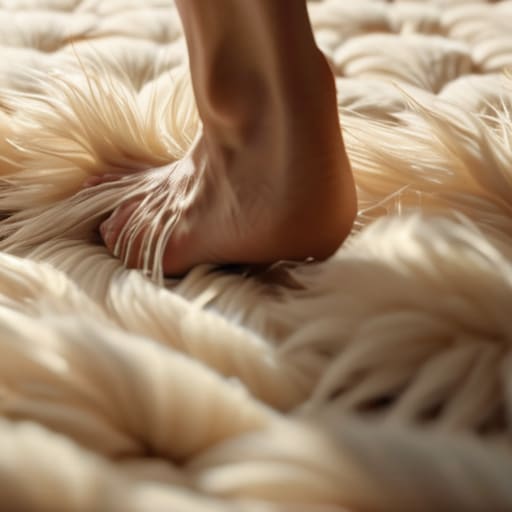
At the end of the day, picking the right rug isn’t just about checking off a list of technical specs or debating whether wool beats polyester. It’s about understanding how different fibers interact with your lifestyle and your senses. Whether you decide to go the high-end route with luxurious natural fibers or opt for the resilient, budget-friendly ease of a high-quality synthetic, the goal remains the same: finding that specific texture that makes your space feel complete. Remember to weigh the long-term durability against that immediate, cloud-like sensation, because the best choice is always the one that balances comfort with your actual daily reality.
Your home is more than just a collection of furniture and walls; it is the backdrop to your life’s most quiet, meaningful moments. A rug isn’t just a piece of decor—it’s the literal foundation of your comfort, the soft landing after a long day, and the warmth beneath your feet during a slow Sunday morning. Don’t be afraid to trust your intuition when you finally step onto that sample or see it in your light. When you find that perfect, plush piece, you won’t just be decorating a room; you’ll be curating an experience that makes coming home the absolute best part of your day.
Frequently Asked Questions
How do I keep a high-pile rug looking soft without it becoming a matted mess?
The secret is staying ahead of the crush. High-pile rugs are magnets for “traffic lanes”—those flattened, matted spots where you walk most. To fight this, grab a vacuum with an adjustable height setting; you want to lift the fibers, not beat them down. Most importantly, rotate your rug every few months. It gives the pile a chance to “breathe” and spring back up, preventing those permanent, unsightly footprints from setting in.
Are there certain types of soft rugs that are actually safe for kids or pets to play on?
If you’ve got little ones or furry friends running around, you want to steer clear of anything with high-shedding fibers or tricky dyes. I usually lean toward low-pile synthetic blends or tightly woven organic cotton. They’re much easier to spot-clean when a juice box inevitably spills or a paw gets muddy. Just make sure to check for non-toxic, OEKO-TEX certified materials so you aren’t worried about what they’re breathing in or touching.
How do I balance that "cloud-like" feeling with a rug that won't slide all over my floor?
Here’s the thing: that dreamy, cloud-like pile is useless if you’re playing indoor slip-and-slide every time you walk across the room. To get that luxury feel without the chaos, don’t skimp on the foundation. I always recommend a high-quality felt rug pad. It fills in the gaps of the weave, adds a bit more cushion, and—most importantly—grips your floor like glue. It’s the secret to making a plush rug feel anchored.
